The Orrick Legal Ninja Series (OLNS) is Orrick's flagship content platform for the German entrepreneurship ecosystem. As a global law firm with deep roots in the world's leading technology markets, we are passionate about supporting German founders and investors – not just with legal advice, but with holistic, actionable insights that help shape the long-term success of their ventures.

What sets OLNS apart? We go beyond the legal fine print. Our series explores the intersections of law, business, and innovation, drawing on lessons learned from national and international tech hubs. We believe that the best advice for entrepreneurs and investors is grounded in a broad understanding of how legal frameworks, market trends, psychology and company-building strategies interact over time.
OLNS is co-authored by a multidisciplinary team of lawyers and business professionals from our German and international offices. Together, we tap into Orrick's global reservoir of venture capital, corporate innovation, and technology know-how to deliver content that is relevant, practical, and forward-looking for the German innovation scene.
Why “Ninja”? Let's be honest – some of us did watch a few too many action movies in the 1990s. But more importantly, “Ninja” has become shorthand for someone who combines skill, agility, and relentless curiosity to master their craft. That's the spirit we bring to our work with tech companies and investors, and it's the mindset we hope to inspire in our readers: to become "legal ninjas" in navigating the challenges and opportunities of entrepreneurship.
We invite you to join the conversation. Whether you're a founder, investor, or ecosystem builder, we'd love to hear your experiences and perspectives. OLNS is a living project – constantly evolving as the tech landscape changes and as we learn from you.
In addition to the in-depth publications of the Orrick Legal Ninja Series, we offer two more ways to access hands-on practical advice:
The OLNS Podcast is our innovative, AI-enabled video series that makes OLNS guides more accessible than ever. Kicking off with a mini-series inspired by the recently published 2nd Ed. of OLNS#8 on employee participation in German start-ups, our digital avatars break down complex legal topics in a clear and engaging way. Click here to discover ESOPs, VSOPs & Co. in Germany like never before.
In our Orrick Legal Ninja Snapshots, we pick up on the latest developments and provide you with quick, digestible insights into current legal issues that are highly relevant to the German venture/tech ecosystem. Click here to find out more.
OLNS Publications
Now Available: The second, revised and expanded 2026/27 edition of OLNS#9 on Venture Capital Deals in Germany provides hands-on practical advice on how to strategically approach venture financing rounds and successfully play the long game across multiple rounds. Topics include founder dilution, strategic cap table composition, available financing options, the funding process, and the most important economic and control deal terms. Learn more
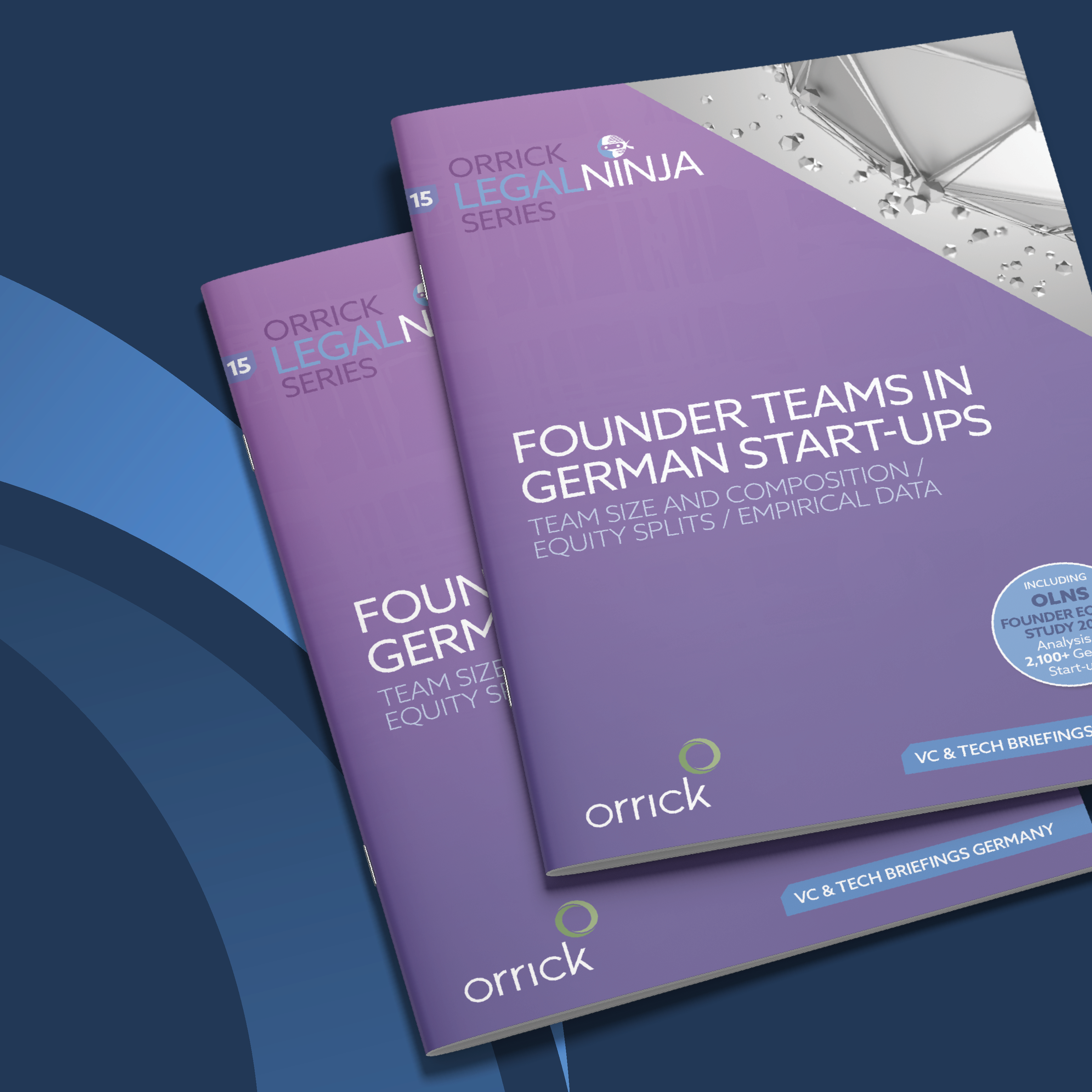
OLNS#15: Founder Teams in German Start-ups – Team Size and Composition / Equity Splits / Empirical Data
The composition of a founder team and the way equity is split can have far-reaching implications for the success of a start-up. OLNS#15 shares some general considerations and what we would consider best practices on how to think about solo founders versus founding teams, team composition, and how to approach the equity split. This is augment with interviews with experienced investors at venture capital powerhouses, who share their insights on what makes a strong founder team that has a shot at building a great company. In addition, this guide presents the findings of the OLNS Founder Equity Study 2025, a unique empirical study examining the composition of founder teams and the distribution of equity in over 2,100 German start-ups.
Learn more
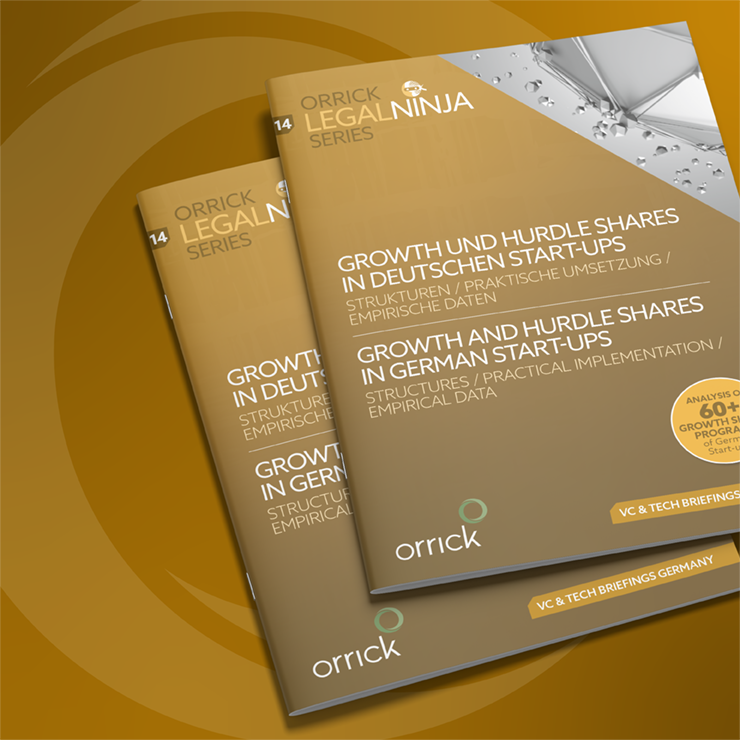
OLNS#14: Growth and Hurdle Shares in German Start-ups – Structures / Practical Implementation / Empirical Data
In German start-ups, Growth Shares are particularly intriguing for motivating key employees and late co-founders. This is especially true when the company has already reached a substantive equity value, making further stakes in the company as hardly affordable or burdened with hefty taxes. While for "standard" shares, the latest amendments of sec.19a German Income Tax Act (Einkommensteuergesetz – "EStG") now allows to defer the wage tax on the non-cash benefit, a better tax treatment can often be achieved with Growth Shares.
Learn more
OLNS#13: M&A in German Tech – A Playbook for Buyers and Sellers
The German tech ecosystem matures and achieving exits is arguably one of the last missing ingredients to supercharge the German tech ecosystem. In a stubbornly difficult IPO market, mergers and acquisitions often offer the only practical route to liquidity for high-growth companies and its investors. With special attention on the sale of venture-backed tech companies, this playbook provides buyers and sellers a guide to approaching M&A transactions involving German tech companies.
Learn more
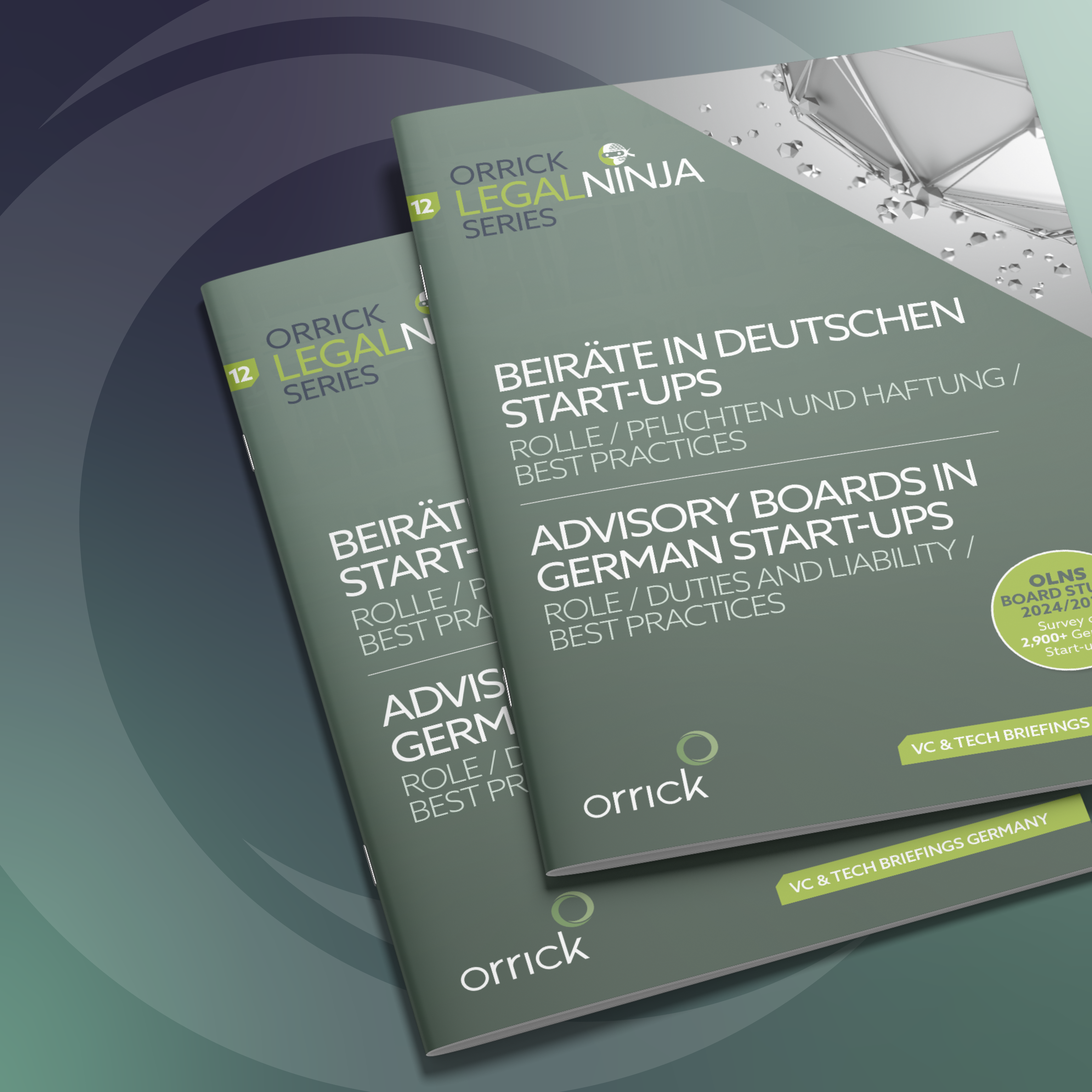
OLNS#12: Advisory Boards in German Start-ups – Role / Duties and Liability / Best Practices
Advisory boards are a standard corporate governance feature of VC-backed German start-ups. OLNS#12 explains the role of the advisory board in the corporate governance system of a start-up from a legal perspective, highlights duties and liability risks, and provides practical guidance on the appropriate composition of the advisory board across the various financing rounds. It also shares some best practices for the operation of advisory boards. In addition, this guide presents the initial results of the OLNS Board Study 2024/2025S, an empirical study on the size and composition of advisory boards in the various financing stages of more than 2,900 German start-ups.
Learn more
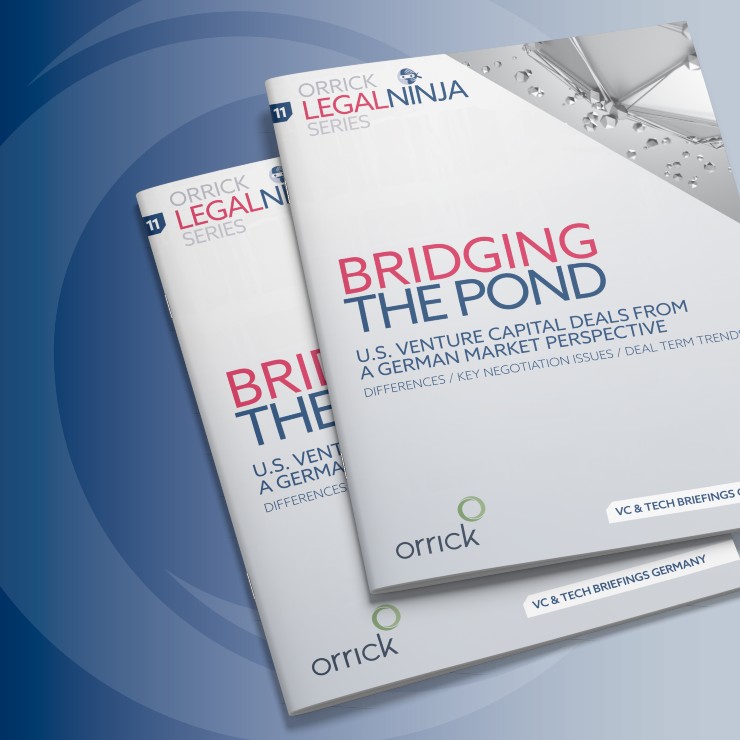
OLNS#11: Bridging the Pond – U.S. Venture Capital Deals from a German Market Perspective
Venture financings and deal terms in the U.S. and in Germany have many similarities but there are also some differences. To help navigate these challenges, we have put together OLNS#11. OLNS#11 is a guide that offers founders and investors with a "German market" background an introduction to U.S. VC deals and helps them understand where U.S. deals differ from a typical German financing. OLNS#11 also augments and builds on OLNS#7 that explains how German founder teams can get into a U.S./German holding structure (the famous flip).
Learn more
OLNS#10: University Entrepreneurship & Spin-offs in Germany – Set-up / IP / Financing and Much More
German universities are increasingly becoming entrepreneurial hotbeds, but university spin-offs face some unique challenges, some of which could – with the right support systems and policies in place – be considerably less stressful. OLNS#10 helps founders by providing them with an overview of how to get a university-based start-up off the ground. We will discuss founder team composition and equity-splits, the composition of the first cap table, important considerations for the initial legal set-up (founder HoldCos and U.S. holding structures) as well as financing considerations. We will also return again and again to the specifics of IP-based spin-offs, especially when it comes to how a start-up can access the university’s IP in an efficient manner.
Learn more
OLNS#9: Venture Capital Deals in Germany – Pitfalls, Key Terms and Success Factors Founders Need to Know (revised & updated edition)
Founding and scaling a tech company is a daunting challenge. The second, revised and expanded 2026/27 edition of OLNS#9 summarizes our learnings from working with countless start-ups and scale-ups around the world. OLNS#9 on Venture Capital Deals in Germany is the flagship publication of the OLNS and provides hands-on practical advice on how to strategically approach venture financing rounds and successfully play the long game across multiple rounds. Topics include founder dilution, strategic cap table composition, available financing options, the funding process, and the most important economic and control deal terms.
Learn more
OLNS#8: ESOPs, VSOPs & Co – Structuring / Implementation / Best Practices (revised & updated edition)
Employee ownership is one of the most powerful yet misunderstood tools for attracting, motivating, and retaining top talent in start-ups and scale-ups. When you cannot outpay big players and IPO timelines keep stretching, smart equity design has become mission-critical. With the second, revised and expanded 2025/26 edition of OLNS#8, we break down the evolving landscape in Germany and beyond, highlight global best practices, and show founders how to design and implement programs that drive long-term commitment.
Learn more
OLNS#7: Flip it Right – U.S. Holding Structures for German Start-ups (revised & updated edition)
Operating a German technology company in a two-tier structure with a U.S. holding company can have great advantages, most notably with respect to fundraising in early rounds and increased exit options and valuations. However, getting into a two-tier structure (be it through a "flip" or a set-up from scratch) requires careful planning and execution. This guide shows you what to consider and how to navigate legal and tax pitfalls.
Learn more
OLNS#6: Leading Tech Companies through a Downturn
Steering a young technology company through a downturn market is a challenging task but if done effectively, the start-up can be well positioned to benefit once the markets come back. While OLNS#5 focused on raising venture financing during a downturn, in this guide, we want to give a comprehensive overview of the legal aspects of some of the most relevant operational matters that founders may now need to deal with, including monitoring obligations and corresponding liabilities of both managing directors and the advisory board, workforce cost reduction measures, IP/IT and data privacy challenges in a remote working environment, effective contract management and loan restructuring.
Learn more
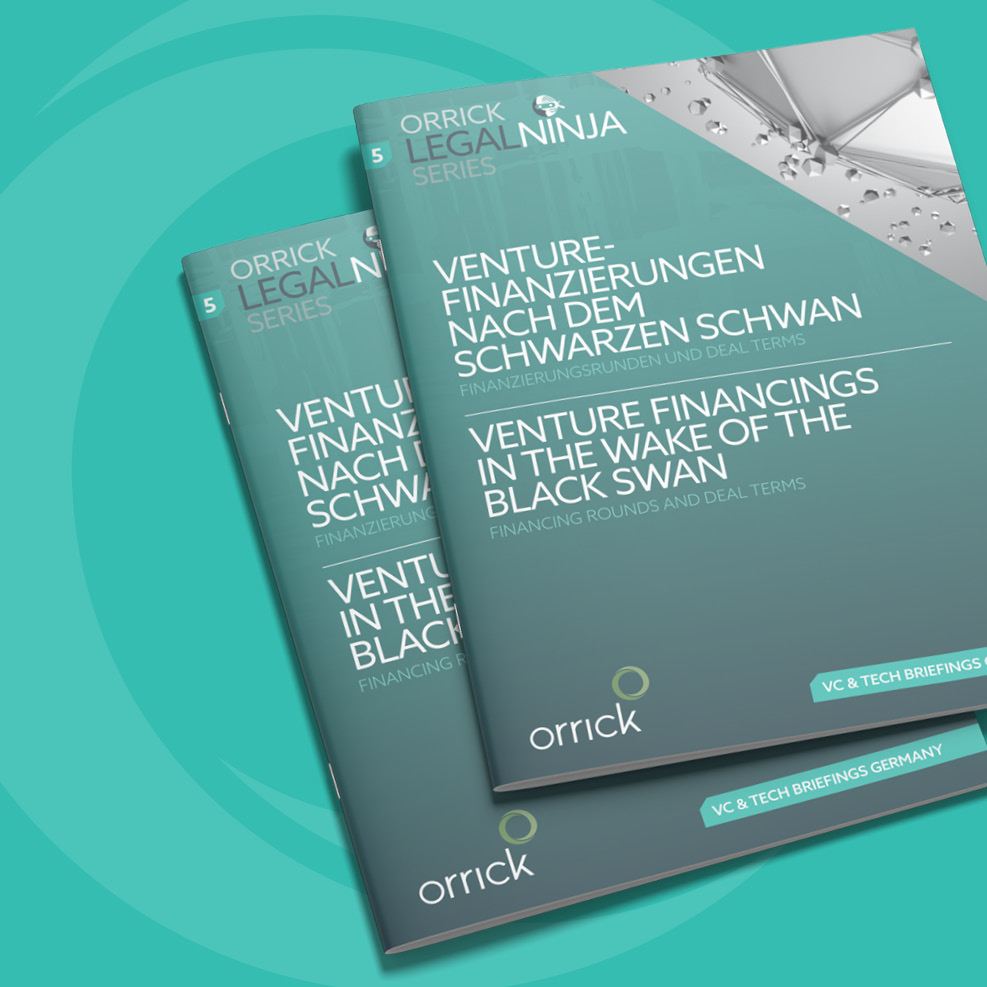
OLNS#5: Venture Financings in the Wake of the Black Swan
In the current environment, all market participants, and especially entrepreneurs, need to be prepared for a softening in venture financing and make plans to weather the storm. In this guide, we share some of our observations on the most recent developments and give practical guidance for fundraising in (historically) uncertain times. We will first provide a brief overview of the current fundraising environment, and then highlight likely changes in deal terms and structural elements of financings that both entrepreneurs and (existing) investors will have to get their heads around.
Learn more
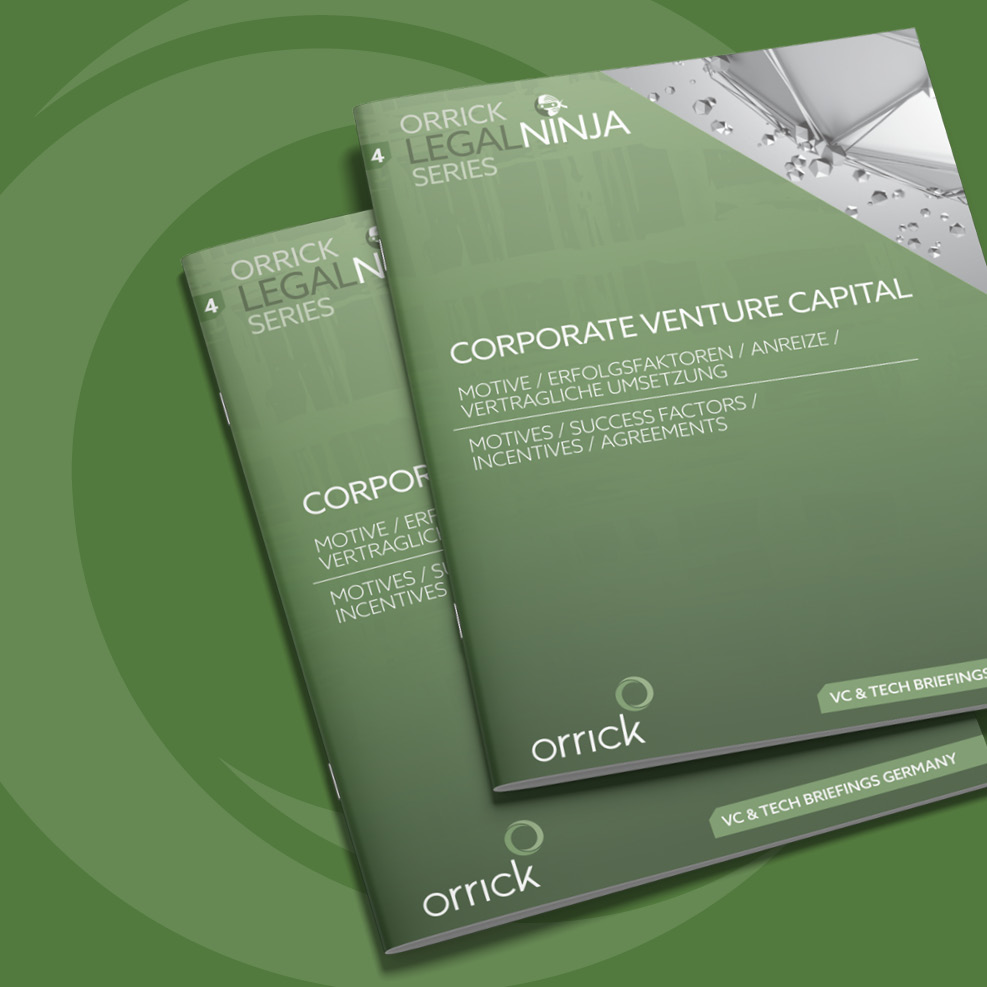
OLNS#4: Corporate Venture Capital
Corporates are under massive pressure to innovate to compete with new disruptive technologies and a successful CVC program offers more than capital – access to company resources and commercial opportunities are key features that justify CVC’s prominence. This guide serves to share best practices for corporates and start-ups participating in the CVC ecosystem and also to ask important questions that will shape future direction.
Learn more
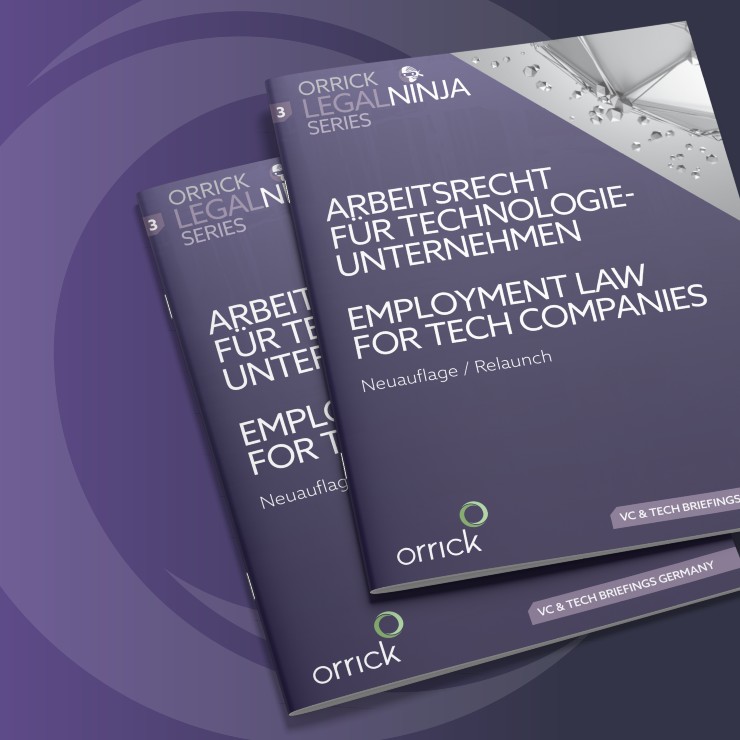
OLNS#3: Employment Law for Tech Companies (revised & updated edition)
Young technology companies are focused on developing their products and bringing VC investors on board. Every euro in the budget counts, personnel is often limited, and legal advice can be expensive. For these reasons, legal issues are not always top of mind. But trial and error with employment law can quickly become expensive for founders and young companies.
Learn more
OLNS#2: Convertible Loans
Due to flexibility and reduced complexity compared to fully-fledged equity financings, convertible loans are an important part of a start-up's financing tool box. In a nutshell: A convertible loan is generally not meant to be repaid, but shall rather be converted into an equity participation in the start-up at a later stage.
Learn more
OLNS#1: Venture Debt
Venture Debt - A potentially attractive complement to equity financings for start-ups that already have strong investors on board. This is a highly flexible instrument with very little dilutive effect for founders and existing investors.
Learn more